LAROSA has supplied and serviced industrial machinery from Sharjah since 1996. We prove programs and setups against a model of your actual machine, before they reach the floor.
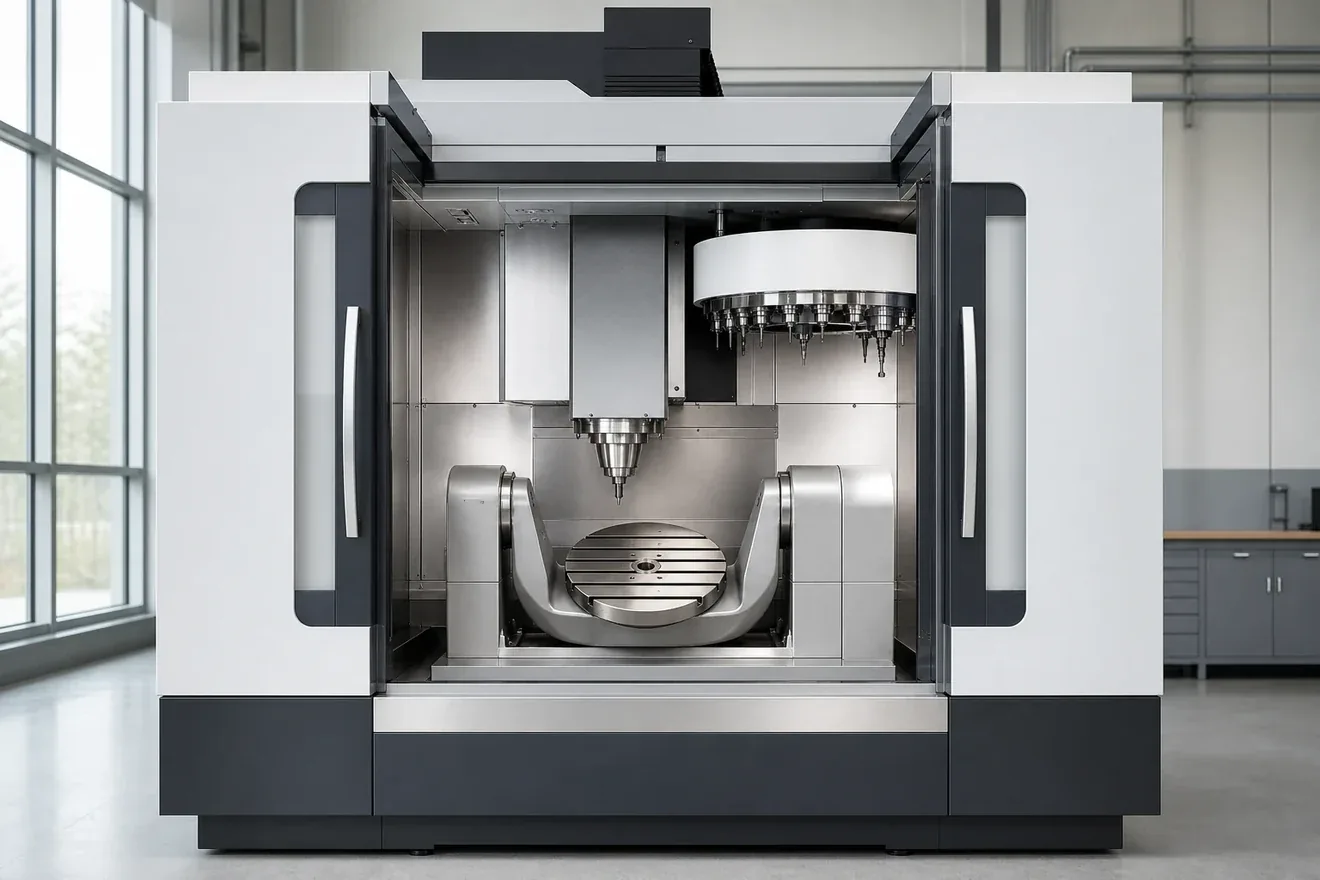
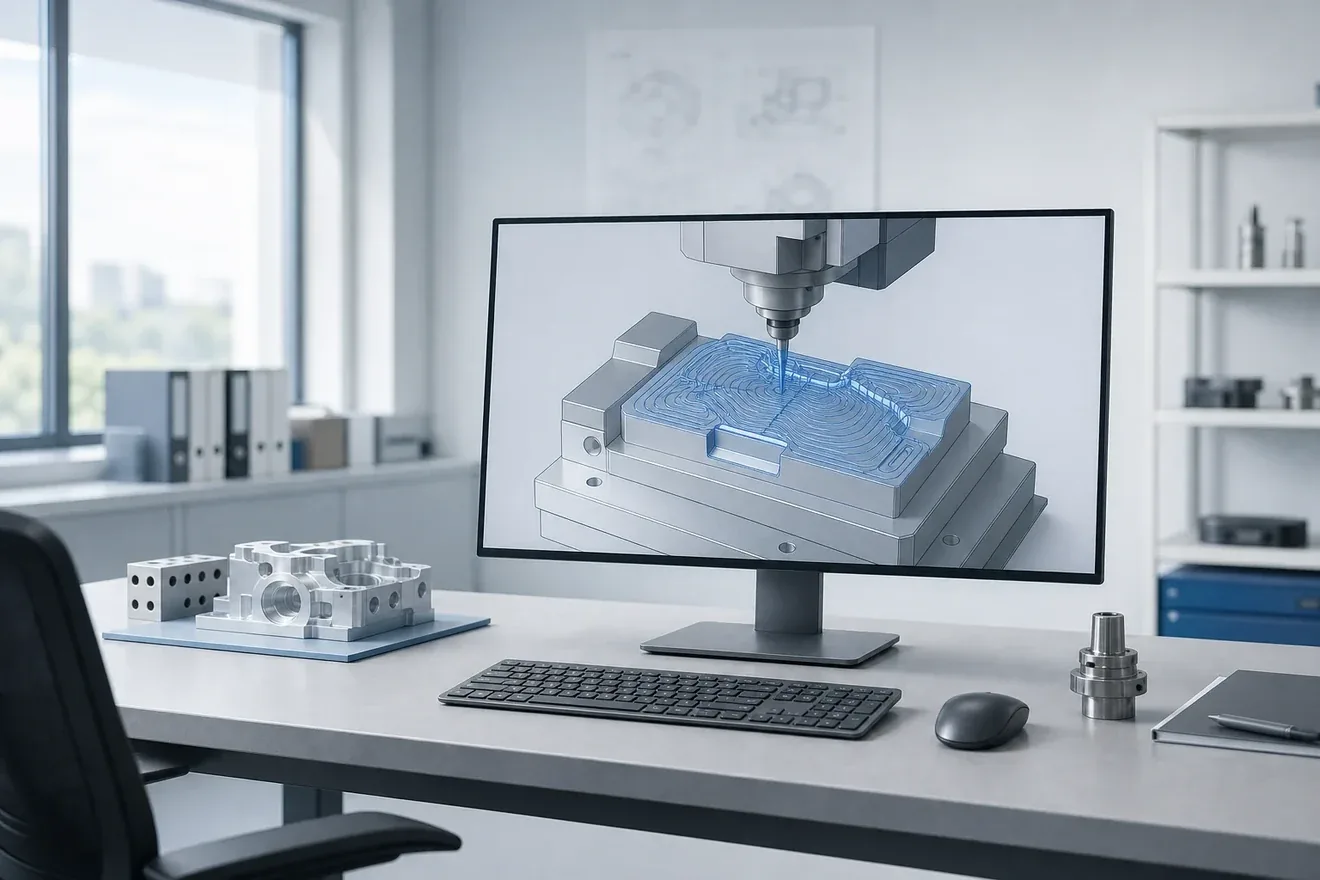
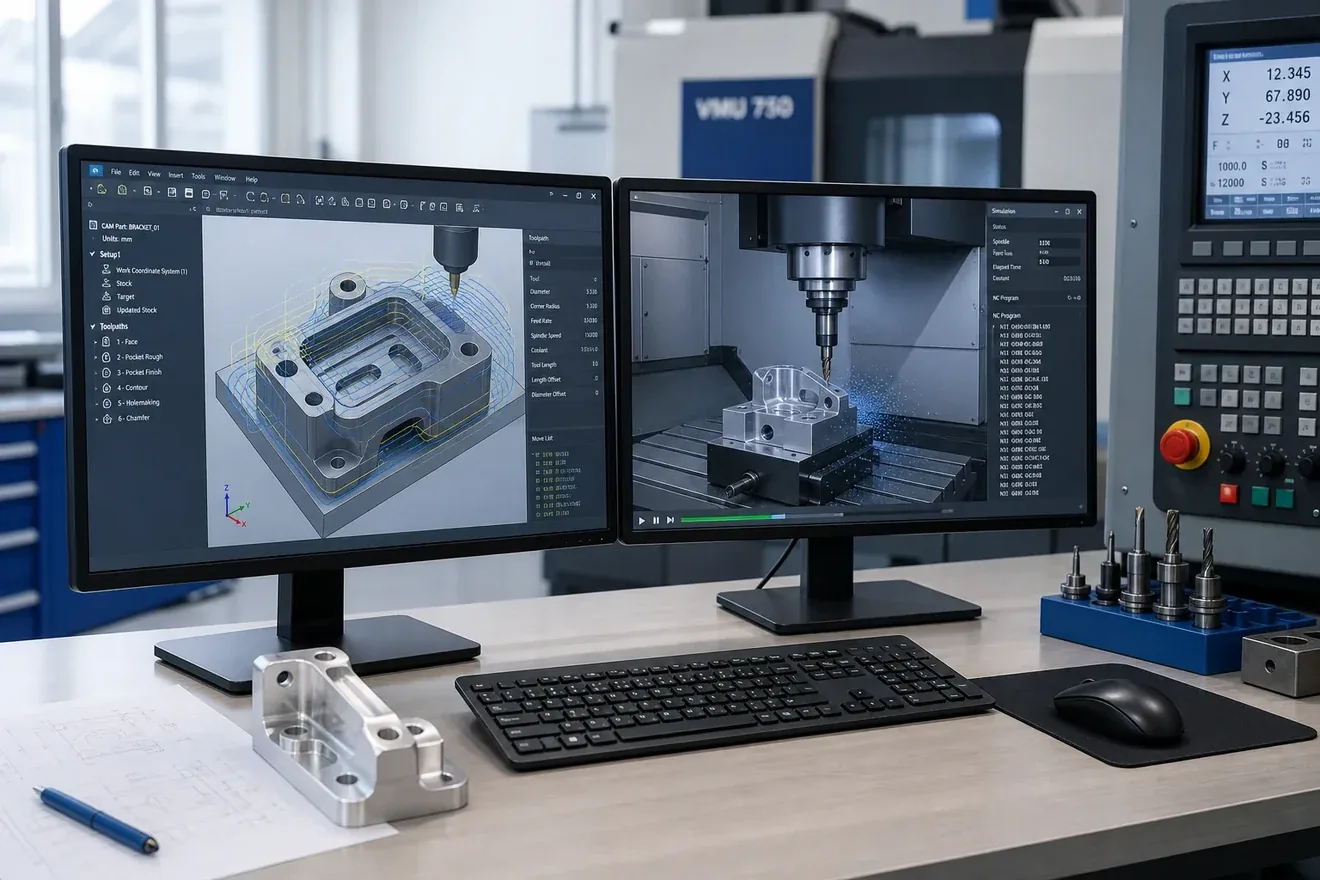
We build a digital twin of the exact machine on your floor and run your posted NC program through it first, so the collision, the gouge and the overtravel are found in the model, not on the spindle.
Where the cycle wastes time and where it runs too close. Air cutting, clearances, tool engagement, and the moves that carry the most risk on the floor.
Geometry that takes days to cut and seconds to ruin.
Energy equipment
Parts too big to re-fixture, cycles measured in hours.
Precision machining
Tight tolerances, and the riskiest cut left until last.
Industrial equipment
New machines, new tooling, new production processes.
Tool and mould
Deep cavities and surfaces that cannot be reworked.
Technical training
Operators and programmers, taught without risking metal.
How it works
From your program to a proven one.
Scope
We agree the machine, the control, the programs, and what counts as a pass.
01
Build
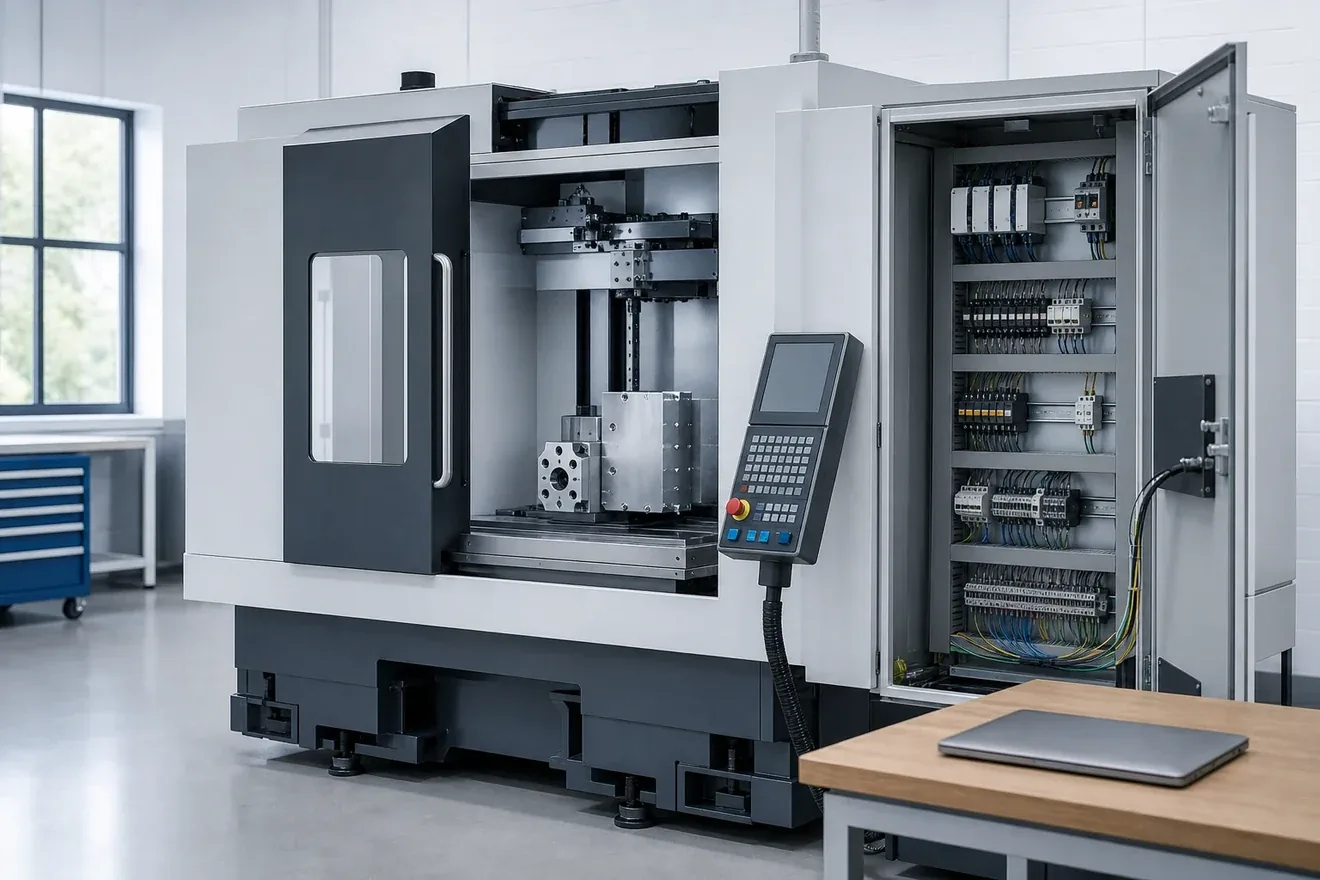
We model that machine: its kinematics, axis limits, tooling, workholding and control.
02
Validate
We run your posted G-code against it and report what it hits, gouges or overruns.
03
Handover
You get the release package: the verified outputs, the limitations, and the recommended next step.
04
Why LAROSA
We service these machines. Now we model them.
In this trade since 1996
LAROSA has supplied, installed and serviced industrial machinery from Sharjah since 1996. Simulation is an addition to that work, not a departure from it.
The machine and its control, the posted NC program, the CAD/CAM data behind it, and the tooling and workholding you actually use. For a first study one machine and one program is enough. We also agree the acceptance criteria up front, so it is clear what the study has to answer before anyone starts building.
Do we have to change our CAM system?
No. We work from the code your post processor already produces, for the machine you already own. Nothing in your programming chain has to move for us to validate what comes out of it.
What do we actually receive?
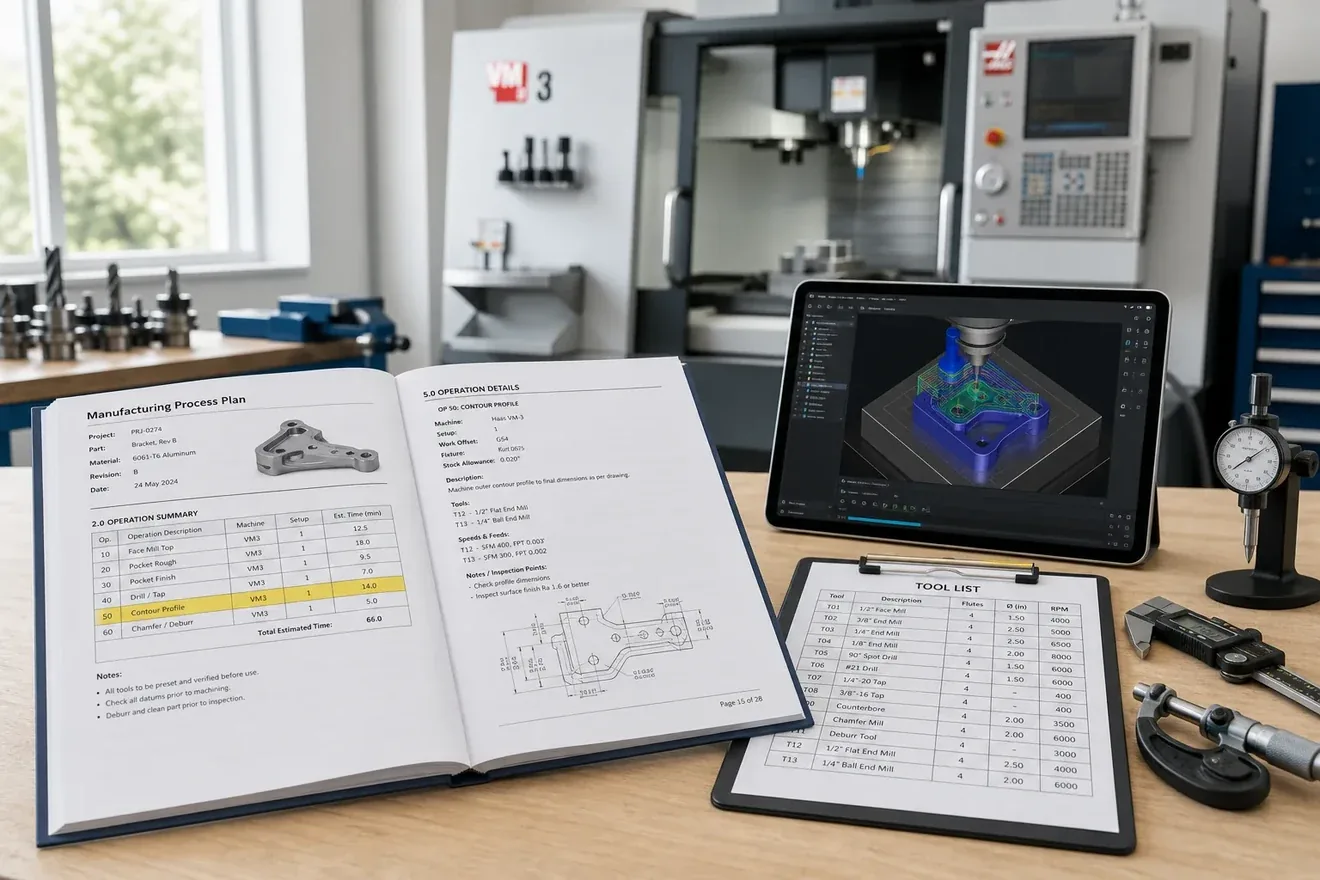
Four things, one at each stage. A statement of work that fixes the scope. A model baseline once the machine is built. A findings register from the study itself. A release package at handover carrying the verified outputs, the limitations and the recommended next step.
Is the digital twin a generic machine model?
No. It is configured around your machine: kinematics, axis limits, tooling, workholding and control behaviour. A model that merely resembles your machine will not catch what your machine will actually do, which is the only thing worth knowing before the spindle turns.
What happens to our program data?
It is handled for the engagement it was sent for, and is not reused outside that scope without your authorisation. Model assumptions, revisions, study conditions and release outputs are recorded, so the work can be reviewed rather than taken on trust.
Is any of this left to the software to decide?
No. Every finding is reviewed by an engineer before anything reaches you. The software reports what it found; the engineer decides what it means and what you should do about it.